Top Soft Skills Employers Love in 2025
In today’s fast-evolving job market, technical skills will get you noticed—but soft skills will get you hired.
Companies are looking for professionals who not only perform tasks, but also collaborate, communicate, and adapt effectively.
As automation and AI continue to transform workplaces, soft skills have become the real competitive advantage.
Here are the top soft skills employers value most in 2025, along with tips to demonstrate them on your resume and in interviews.
1. Communication — Clear, Confident, and Impactful
Communication remains the No.1 skill employers look for.
Why it matters:
Helps teams avoid misunderstandings
Boosts productivity
Improves collaboration and client relationships
How to show it:
Mention presentations, reports, or stakeholder communication
Highlight successful interactions (e.g., resolving conflicts, negotiating deals)
2. Adaptability — Thriving in a Fast-Changing World
The workplace is evolving faster than ever, and companies want employees who adapt quickly.
Why it matters:
Technology changes rapidly
Roles and responsibilities shift often
Agile teams outperform rigid ones
How to show it:
Share examples of learning new tools, switching roles, or handling sudden challenges
Mention “quick learner” along with proof (courses, certifications, projects)
3. Problem-Solving — Turning Challenges Into Solutions
Employers love people who don’t just identify problems—they fix them.
Why it matters:
Saves time and money
Drives innovation
Reduces dependency on managers
How to show it:
Use STAR method (Situation, Task, Action, Result) for achievements
Include measurable impacts (e.g., reduced errors, saved time, improved process)
4. Teamwork & Collaboration — Working Better Together
Even in hybrid setups, teamwork is essential.
Why it matters:
Strong teams deliver better results
Cross-functional collaboration is growing
Reduces workplace conflicts
How to show it:
Mention team-based projects and your contribution
Highlight experience working with diverse groups or global teams
5. Leadership — Not Just Managing, But Inspiring
Leadership is valuable at every level—not just for managers.
Why it matters:
Companies need self-driven employees
Leadership boosts ownership and accountability
Encourages innovation
How to show it:
Talk about times you mentored someone, led a project, or improved a process
Even small leadership moments count
6. Emotional Intelligence (EQ) — Understanding People Better
EQ is becoming more important than IQ when it comes to role success.
Why it matters:
Improves communication
Reduces conflict
Helps build strong workplace relationships
How to show it:
Mention conflict resolution
Talk about how you handled tough conversations or stressful situations
7. Time Management — Getting More Done With Less Stress
Employers want efficient professionals who know how to prioritize.
Why it matters:
Increases productivity
Reduces missed deadlines
Improves team workflow
How to show it:
Mention tools you use (Notion, Trello, Asana)
Provide examples of managing multiple projects at once
8. Creativity & Innovation — Thinking Beyond the Ordinary
Creativity is no longer just for designers.
Why it matters:
Drives new ideas and solutions
Helps companies stay competitive
Encourages better problem-solving
How to show it:
Highlight situations where you improved a process, product, or idea
Mention brainstorming, design thinking, or innovative contributions
Final Thoughts
Soft skills are the true differentiators in 2025.
While technical skills show what you can do, soft skills show how you work, how you lead, and how you solve problems.
If you want to stand out to employers, start showcasing these skills in your resume, LinkedIn, and interviews.
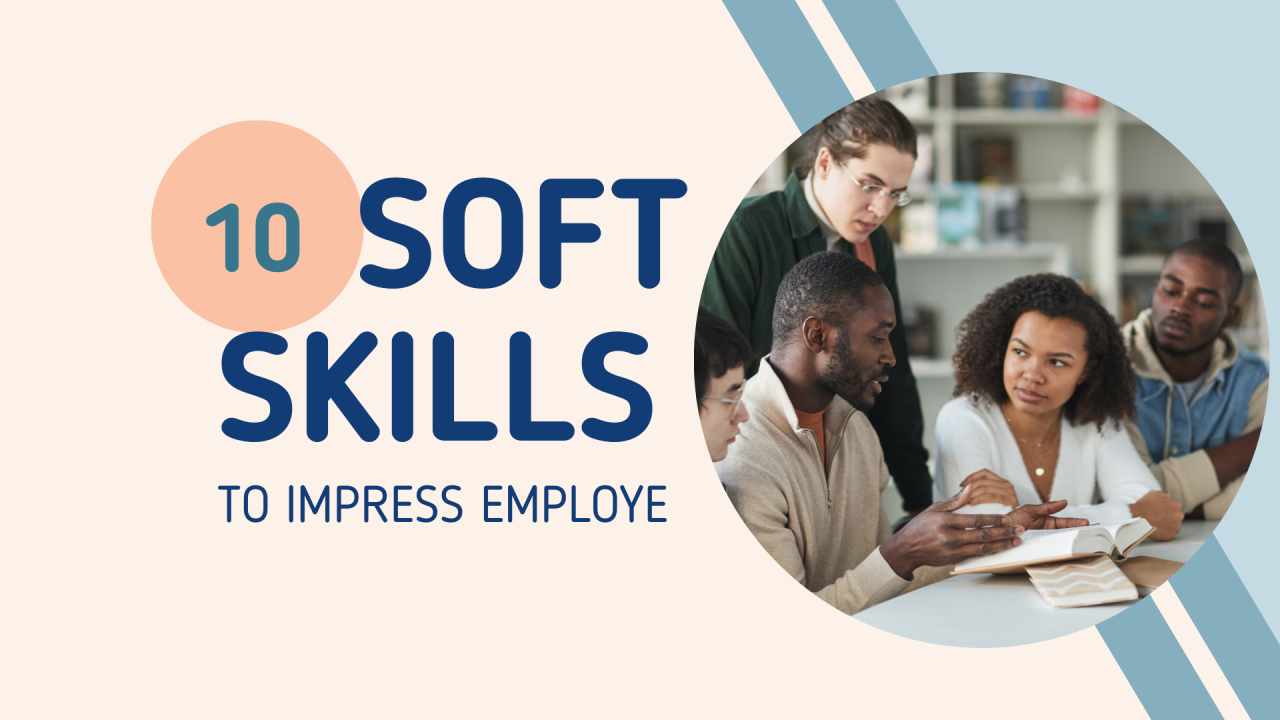
Top Soft Skills Employers Love
December 01, 2025